Service Guide — Physical Therapy
Building the strength that keeps pain from coming back.
Individualized exercise programs to restore function, build strength around an injury, and close the gap between feeling better and staying better.
01 — The Basics
What physical therapy adds to your care
Adjustments and manual therapy can reduce pain and restore motion, but lasting relief usually depends on what happens between visits. Physical therapy targets the strength, stability, and movement patterns that keep a problem from returning.
How does it work?
We evaluate strength, flexibility, balance, and movement patterns to find what’s actually driving your symptoms, then build a program targeted to those specific findings.
What’s it used for?
Recovery after an injury or surgery, chronic pain that hasn’t responded to rest alone, and preventing repeat injury are the most common reasons patients start physical therapy with us.
02 — Your Visit
What a visit looks like
Your program is built around your specific findings and goals, not a generic routine.
Movement assessment
We evaluate strength, flexibility, balance, and movement patterns to find what’s actually driving your symptoms.
A program built for you
Exercises are chosen for your specific findings and goals — whether that’s returning to a sport or simply walking comfortably again.
Progression over time
As you improve, your program evolves, with exercises adjusted in-office and a home routine to keep progress going between visits.
Do I need a referral for physical therapy?
In most cases no — Minnesota allows direct access to physical therapy, though your specific insurance plan’s requirements can vary.
03 — Where It Helps
Conditions physical therapy is commonly used for
A sprained ankle, a post-surgical shoulder, and a chronic low back all need a different program, even though the goal — restoring function — is the same.
Post-injury recovery
Rebuilding strength and range of motion after a sprain, strain, or surgery.
Chronic pain
Addressing pain that hasn’t fully responded to rest or manual therapy alone.
Muscle weakness or imbalance
Correcting compensations that developed around an old injury.
Sports injuries
Structured return-to-activity training for athletes at any level.
Injury prevention
Building the strength and stability to protect a previously injured area.
Balance & mobility
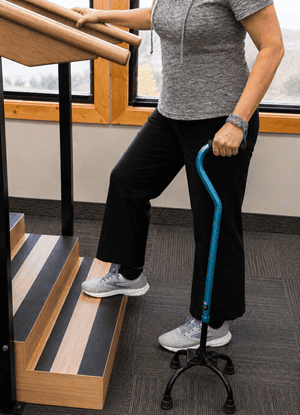
Improving stability and confidence with movement, especially for older adults.
04 — Safety
What to expect as you progress
Some muscle soreness after a session is normal and typically fades within a day or two. If something isn’t improving as expected, we reassess rather than continue an approach that isn’t working.
Check with your doctor first if you have
- A very recent surgery without clearance for activity
- Uncontrolled heart or blood pressure conditions
- A suspected fracture that hasn’t been evaluated
- Symptoms of a medical emergency rather than an injury
We’ll modify your program if you have
- Significant pain that limits certain movements
- A healing surgical site with movement restrictions
- Balance concerns that require extra support
A visit with us is appropriate if
- Recovering from an injury, strain, or surgery
- Chronic pain that hasn’t responded to rest alone
- Wanting to prevent a repeat injury
05 — Questions We Hear Often
From patients, before their first visit
Do I need a referral for physical therapy?
In most cases no — Minnesota allows direct access to physical therapy, though your insurance plan’s specific requirements can vary.
How is this different from a home workout?
Your program is built around specific findings from your exam and adjusted as you progress, rather than a generic routine.
Can physical therapy be combined with chiropractic care?
Yes — many of our patients use both, since adjustments address joint motion while therapy builds the strength and stability to support it.
How long does a typical program last?
It varies with the injury, but many programs run several weeks to a few months, with your progress reassessed along the way.
Will exercises be painful?
Some mild discomfort during exercise is normal, but the program is adjusted to stay within a level you can tolerate.
Do I need special equipment at home?
Usually not — most home programs use simple equipment or bodyweight exercises you can do without a gym.
Ready to start rebuilding your strength? Request an appointment or call (218) 829-2665.
Ready When You Are
Ready To Feel Better
Our team is here to help you move better, feel better, and live healthier